By David Kelly
July 19, 2024
As the world emerges from the shadow of COVID-19, China has reopened its borders to international travelers, beckoning visitors to explore its storied landscapes, rich cultural heritage, and timeless martial arts traditions. For those eager to experience the Middle Kingdom in this new chapter, the time is ripe to plan a journey that delves into the heart of this dynamic and ever-evolving nation.
Travel to China
The resumption of overseas travel to China has been carefully orchestrated, with stringent health and safety protocols in place to ensure the well-being of both visitors and local communities. Travelers must obtain a valid visa, which can be secured through the Chinese embassy or authorized agencies. Even better news is that for the following six countries Switzerland, Ireland, Hungary, Austria, Belgium, and Luxembourg nationals will have up to 15 days of visa-free travel to China.
Upon arrival, visitors are no longer subject to temperature checks or are required to undergo testing, depending on the prevailing public health guidelines. Masking requirements and other preventive measures are more of a courtesy to other travelers.
One of the most significant changes in the post-pandemic landscape is the increased reliance on digital platforms for travel planning and bookings. Savvy travelers would do well to familiarize themselves with popular Chinese apps like Ctrip and WeChat, which offer a wealth of information and seamless booking capabilities for flights, accommodations, and transportation within the country.
Navigating the Cultural Landscape
China’s rich cultural tapestry is a tapestry that has been woven over millennia, and the post-pandemic era presents an opportune time to delve into its timeless traditions and customs. From the awe-inspiring grandeur of the Great Wall to the serene tranquility of ancient water towns, the country offers a boundless array of iconic sights and immersive experiences.
For first-time visitors, it’s advisable to start with perennial favorites, such as the Forbidden City in Beijing, the Terracotta Warriors in Xi’an, and the picturesque water towns of Zhejiang province. These quintessential destinations not only provide a captivating glimpse into China’s storied past but also serve as gateways to deeper cultural engagement.
Beyond the well-trodden tourist trails, travelers can venture off the beaten path to discover the unique regional identities that contribute to the country’s multifaceted cultural fabric. In the southern reaches of Guangxi, for instance, the enchanting landscape of karst formations and the vibrant ethnic minority communities offer a refreshing alternative to the more crowded metropolises.
Martial Arts Immersion
Perhaps one of the most alluring aspects of a post-pandemic visit to China is the opportunity to immerse oneself in the country’s renowned martial arts traditions. From the iconic Shaolin Temple in Henan to the bustling streets of Foshan in Guangdong, China remains the epicenter of various schools of martial arts, each with its own distinct philosophy and technique. During COVID-19, many of these were hit hard, went into hibernation, or left the country for pastures new.
For those seeking a more immersive experience, numerous martial arts academies and training centers across China welcome international students, offering intensive programs that delve into the physical, mental, and spiritual dimensions of these ancient fighting arts. Whether it’s the fluid grace of Taichi, the explosive power of Sanda, or the disciplined precision of Wushu, visitors can embark on a journey of self-discovery and physical transformation under the tutelage of seasoned masters.
Beyond the dojo, the cultural exploration of martial arts can extend to the realms of traditional Chinese medicine, calligraphy, and the philosophical underpinnings that have shaped these practices over the centuries. By immersing themselves in this multifaceted world, travelers can gain a deeper understanding of the holistic approach to well-being that is deeply rooted in Chinese culture. More on this later.
Culinary Adventures
No visit to China would be complete without a culinary adventure that tantalizes the senses and expands the palate. The country’s diverse regional cuisines, each with their own distinct flavors and cooking techniques, offer a veritable feast for the senses.
From the fiery Sichuan peppercorns of the southwest to the delicate seafood dishes of the coastal provinces, China’s culinary landscape is a kaleidoscope of tastes and textures. Travelers can embark on guided food tours, participate in hands-on cooking classes, or simply wander the bustling night markets to savor the myriad of street food delicacies.
Beyond the well-known favorites like Peking duck and dim sum, the post-pandemic era presents an opportunity to explore the lesser-known regional specialties that have long been cherished by local communities. The preservation of traditional foodways and the rise of farm-to-table movements in China offer a glimpse into the country’s rich gastronomic heritage and its evolving culinary landscape.
Planning Your Journey
As the world emerges from the COVID-19 pandemic, China stands ready to welcome travelers with open arms, inviting them to rediscover the country’s timeless wonders and immerse themselves in its vibrant cultural tapestry. Whether you’re drawn to the iconic landmarks, the captivating martial arts traditions, or the culinary delights, a journey to the Middle Kingdom in the post-pandemic era promises to be a transformative and unforgettable experience.
As you plan your trip, be sure to stay up-to-date on the latest travel guidelines and health protocols, and consider working with a reputable travel agency or tour operator to ensure a seamless and hassle-free journey. With careful preparation and an open mind, you’ll be well on your way to discovering the hidden gems and timeless treasures that make China such a captivating destination.

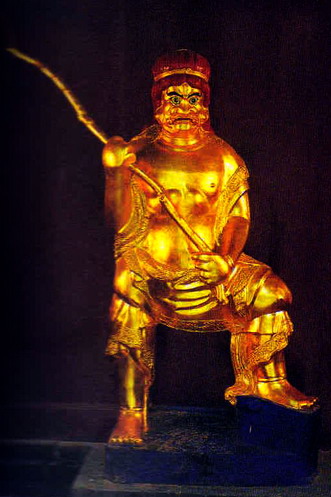 Shaolin Kung Fu is technically speaking the martial arts system of attack and defense movements that uses forms (series of moves combinations:套路 taolu) as a basic method of training. Both the moves and their combinations are based on Traditional Chinese Medicine’s theory about the working of the human body. The cultural and spiritual aspect of Shaolin Kung Fu comes through its essential roots in Chan Buddhism, the first belief shared by practitioners. This is especially the case in regards to wisdom and strength; for wisdom, the Buddha Puti Damo (left) is worshipped to and for strength, the Buddha Jin Na Luo Wang (right) is taken refuge in.
 SMA bloggers